

The Art of Mountain Photography: Tips and Techniques for Stunning Shots
- sandrogromen-hayes
- Nov 10, 2023
- 3 min read
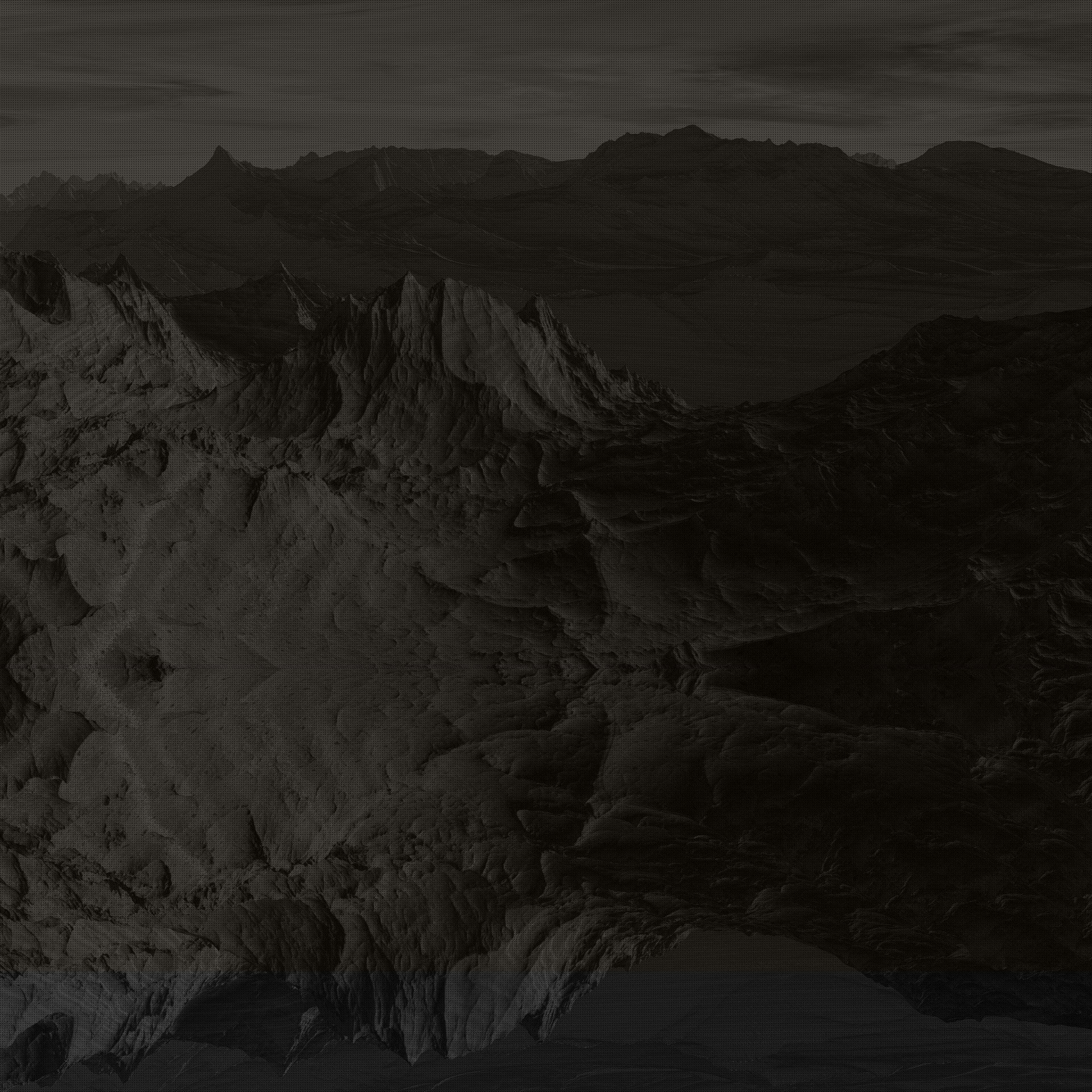
The Art of Mountain Photography: Tips and Techniques for Stunning Shots Image Description: A breathtaking photograph of a majestic mountain range in Nepal, showcasing the beauty and awe-inspiring nature of mountains. The image captures the grandeur and serenity of the mountains, with their snow-capped peaks reaching towards the sky. The vibrant colors of the landscape, from the lush green valleys to the deep blue skies, create a stunning contrast against the towering mountains. The composition of the photograph is carefully framed, highlighting the scale and magnitude of the mountains. The image evokes a sense of adventure and exploration, inviting viewers to immerse themselves in the beauty of nature. Mountain photography is a unique and rewarding genre that allows photographers to capture the beauty and majesty of these natural wonders. Whether you are a professional photographer or an amateur enthusiast, here are some tips and techniques to help you capture stunning shots of mountains. 1. Plan your shoot: Before heading out to the mountains, it's essential to plan your shoot. Research the location, weather conditions, and best times for photography. Consider the direction of light and how it will interact with the mountains. Planning ahead will increase your chances of capturing the perfect shot. 2. Use a wide-angle lens: A wide-angle lens is ideal for capturing the vastness and scale of mountains. It allows you to include more of the landscape in your frame, creating a sense of depth and perspective. Experiment with different focal lengths to find the perfect composition. 3. Pay attention to the foreground: Including an interesting foreground element can add depth and visual interest to your mountain photographs. Look for rocks, trees, or other elements that can serve as a point of focus and lead the viewer's eye into the image. 4. Experiment with different angles: Don't be afraid to get creative with your angles. Try shooting from low angles to emphasize the height and dominance of the mountains. Alternatively, shoot from higher vantage points to capture a bird's eye view. Changing your perspective can result in unique and captivating images. 5. Capture the changing light: The quality of light can greatly impact the mood and atmosphere of your mountain photographs. Consider shooting during the golden hour, which occurs during sunrise and sunset when the light is soft and warm. The dramatic light during these times can enhance the beauty of the mountains. 6. Use filters: Filters can be a valuable tool in mountain photography. A polarizing filter can help reduce glare and enhance the colors of the landscape. Graduated neutral density filters can help balance the exposure between the bright sky and the darker mountains, resulting in a more evenly exposed image. 7. Include human elements: Adding human elements to your mountain photographs can provide a sense of scale and perspective. Include hikers, climbers, or local people to give a sense of the size and grandeur of the mountains. It can also add a storytelling element to your images. 8. Post-processing: Post-processing is an essential part of mountain photography. Use editing software to enhance the colors, contrast, and sharpness of your images. However, remember to keep the edits natural and avoid over-processing, as it can take away from the authenticity of the scene. Remember, mountain photography is not just about capturing beautiful images; it's about conveying the emotions and awe-inspiring nature of these majestic landscapes. So, get out there, explore, and let the mountains inspire you to create stunning shots that will leave viewers in awe of their beauty.


Comments